|
| Hackett Milan Store |


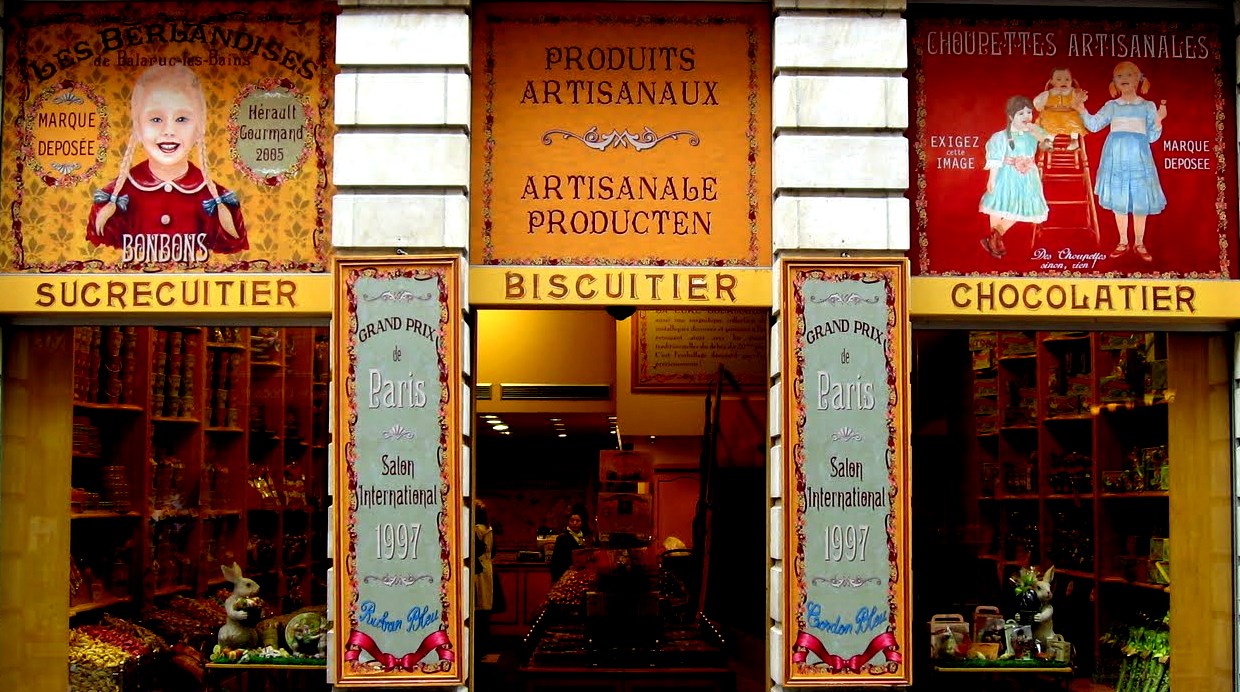
Casa Mira es una pastelería ubicada en Madrid muy cerca de la Puerta del Sol (calle Carrera de San Jerónimo número treinta). La tienda, a pesar de vender otros productos de confitería, es famosa por la elaboración y puesta a la venta de turrones artesanales. La tienda se ha ido especializando en la elaboración de dulces navideños que vende durante casi todo el año.
El establecimiento fue inaugurado por Luís Mira en el año 1855, confitero de la ciudad de Jijona que emprendió un viaje desde su tierra natal a Madrid para vender sus turrones. En el año 1842 Luis comenzó a vender turrones en un puesto callejero de la Plaza Mayor de Madrid.
asa mSe trata de una tienda de tamaño mediano con dos aparadores, aspecto de comienzos de siglo y que muestra carteles "proveedor real casa". La elaboración de turrones (miel, almendra) se caracteriza por una cuidada selección de materiales y por una presentación clásica. La proporción de los ingredientes son estrictamente vigiladas por el Consejo Regulador del turrón de Jijona. Se ofrecen turrones de diversos materiales: duros, blandos, de guirlache, de yema o de frutas. La fachada de la tienda muestra un cartel en el que se puede leer: "Hijos sucesores de Luis Mira" y puede verse en la Carrera de San Jerónimo nº 30.


Jermyn Street dates back to 1664 when Charles II authorised Henry Jermyn, the Earl of St Albans, to develop an area close to St James' Palace. It has flourished ever since and holds a worldwide reputation for high quality British artistry and craftsmanship. The street is home to London's finest men's tailors, shirt makers, suppliers of leather goods, food and wine merchants, restaurants, hotels and art galleries.
Offering the quintessentially British experience Jermyn Street has a rich history providing bespoke tailoring and luxury items to the english gentry. The style and influence of Jermyn Street is internationally recognised with brands such as Charles Tyrwhitt, TM Lewin, Thomas Pink, Alfred Dunhill and Hackett calling it home.
Jermyn Street was created by and named after Henry Jermyn, 1st Earl of St Albans, as part of his development of the St. James's area around the year 1664. The Duke of Marlborough lived there when he was Colonel Churchill, as did Sir Isaac Newton (during his time working in London as Warden of the Royal Mint), the mid-eighteenth century highwayman and apothecary William Plunkett, the Duchess of Richmond and Lennox, the Countess of Northumberland and the artist Sherwin (in whose rooms in 1782 the great actress Mrs Siddons sat for him for her portrait as the Tragic Muse).The Gun Tavern was one of the great resorts for foreigners of revolutionary tastes during the end of the eighteenth century, whilst Grenier's Hotel was patronised by French Refugees. At the Brunswick Hotel, Louis Napoleon took up his residence under the assumed name of Count D'Arenberg on his escape from captivity in the fortress of Ham. 20th century residents include the 1930s "Big Band" singer Al Bowlly (killed in his flat on the street by a parachute mine during the Blitz of 1941).
Though he did not live on the street, a statue of Beau Brummell stands on Jermyn Street at the junction with the Piccadilly Arcade, as embodying its elegant clothing values. Aleister Crowley lived in number 93.

 Walking by fashion streets I think about Luxury in Crisis Time...and when I come back to the underground I can see the real world